
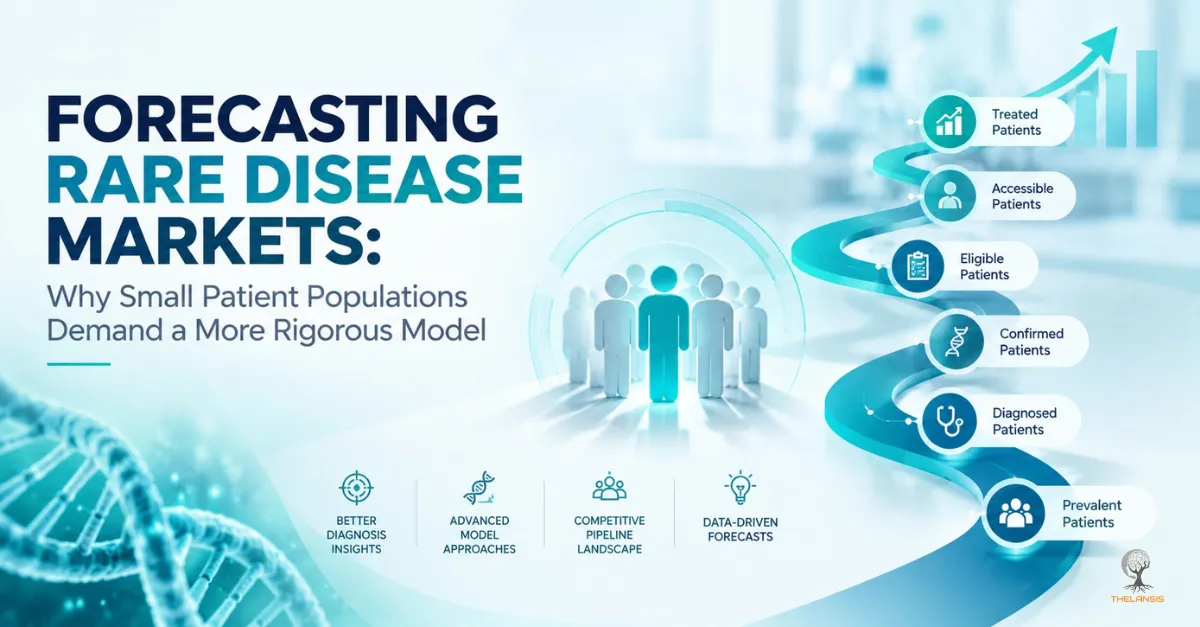
Forecasting Rare Disease Markets: Why Small Patient Populations Demand a More Rigorous Model
Rare disease markets have an odd commercial paradox built into them: the patient population is tiny, but the market opportunity can still be substantial. That's what makes forecasting them fundamental ...
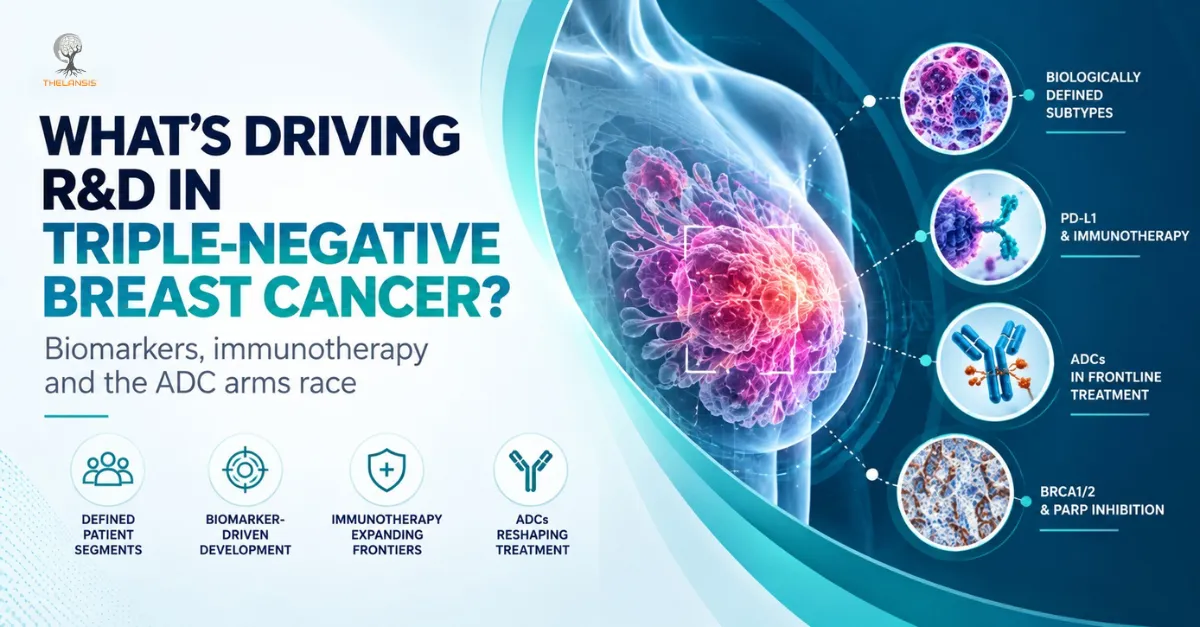
What’s Driving R&D in Triple-Negative Breast Cancer
For years, chemotherapy was the backbone of triple-negative breast cancer (TNBC) treatment because the disease lacked the molecular targets that transformed treatment in other breast cancer subtypes. ...
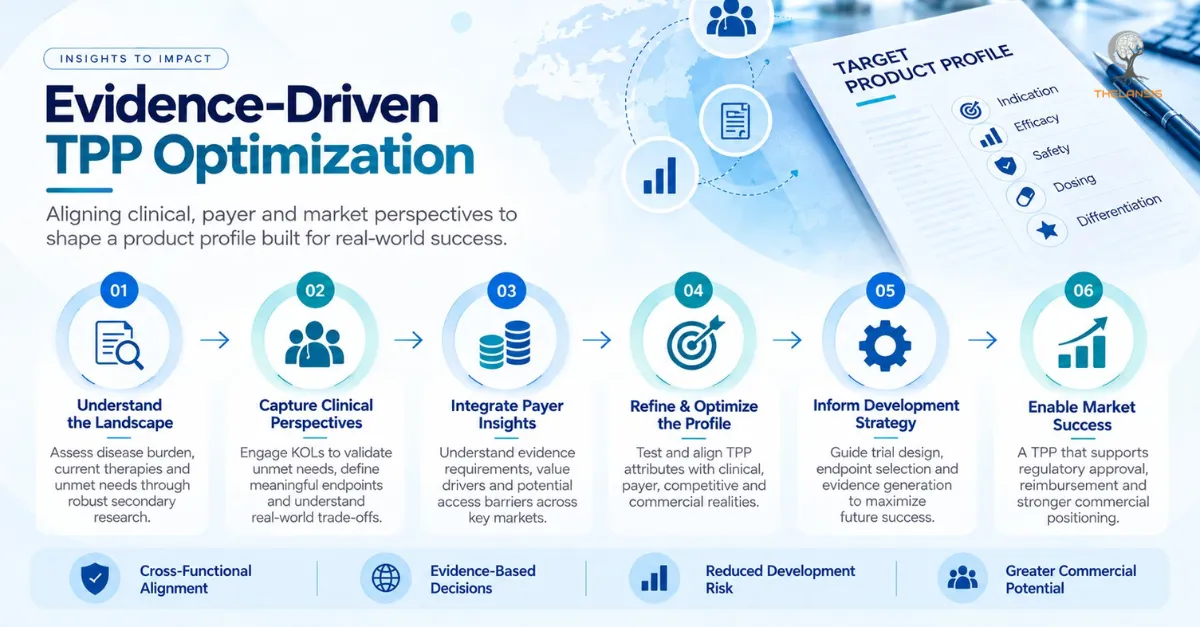
Beyond the Static Document: Why Evidence-Driven TPP Optimization Is Becoming a Strategic Imperative in Pharma
Every drug development program starts with a hypothesis about the product it hopes to become. The Target Product Profile (TPP) is where that hypothesis is written down: the intended indication, the ef ...

Primary Market Research in Pharma: Turning Stakeholder Perspectives into Actionable Decisions
In pharma, more data doesn't always mean better answers.Secondary research can tell a team what has happened in a market, such as prescription trends, treatment shares, clinical developments, competit ...
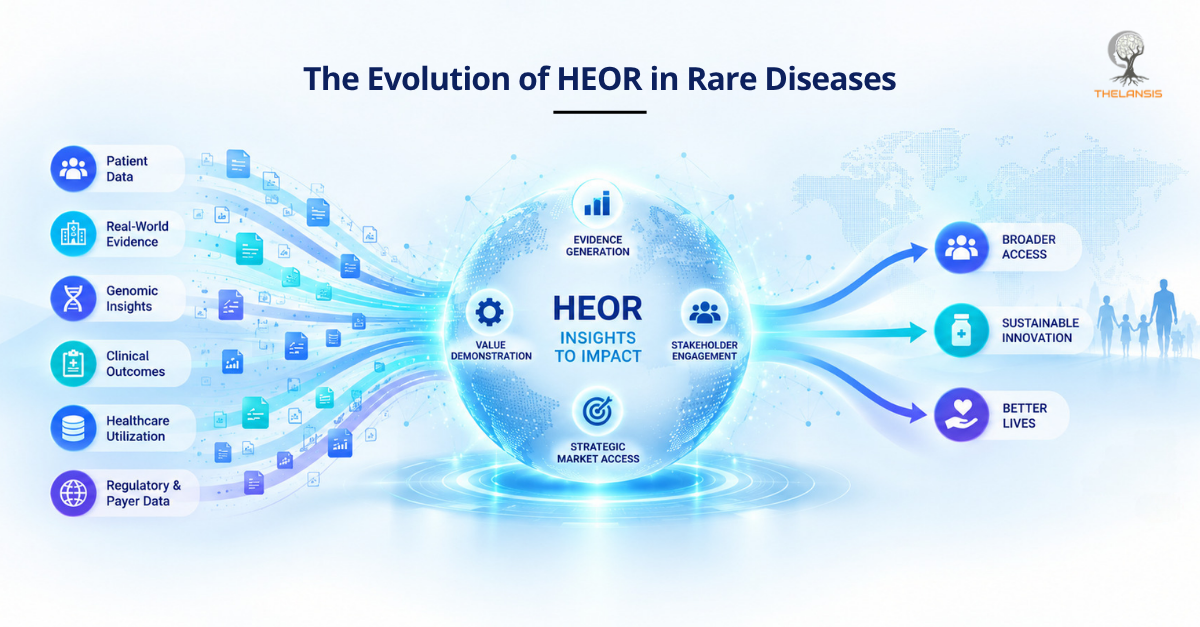
The Evolution of HEOR in Rare Diseases: From Cost-Effectiveness to Strategic Market Access
There used to be a simple rule in pharma: scientists built the drug, clinical teams proved it worked, and health economists showed up near the end to do the math. Run the trial, demonstrate efficacy, ...
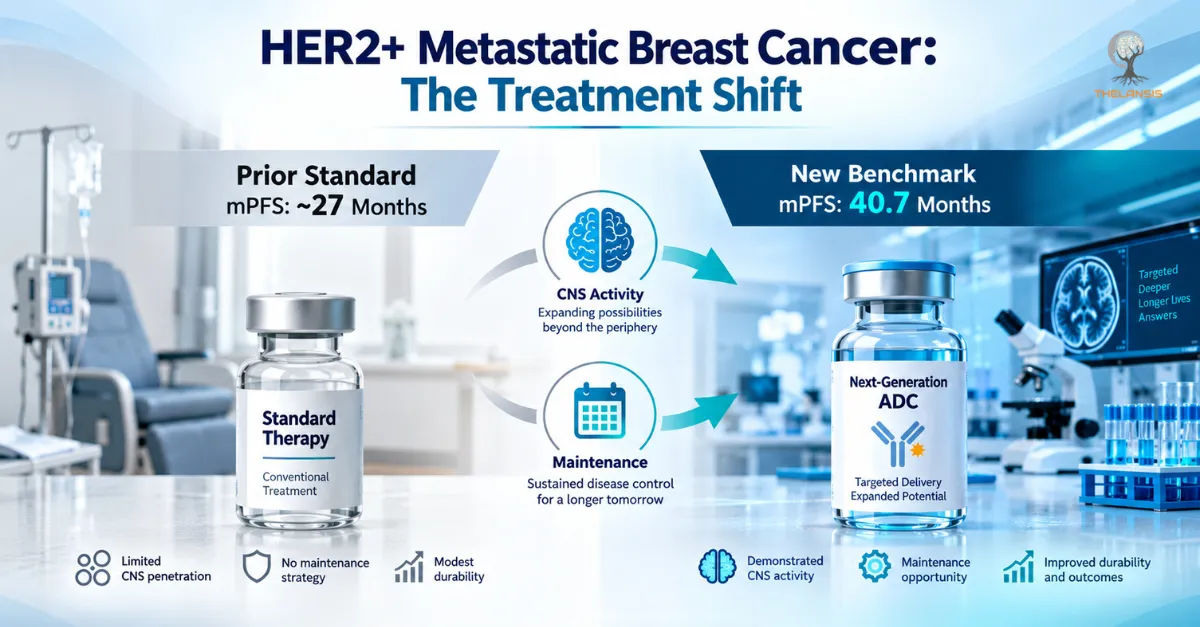
HER2-Positive Metastatic Breast Cancer: The Treatment Shift Reshaping the Market
A Decade of Reinvention There was a time when a HER2-positive breast cancer diagnosis carried a particularly difficult outlook. The biology was aggressive, treatment options were limited, and metasta ...